Kino vs. Descript
Real code as your timeline vs a proprietary video app
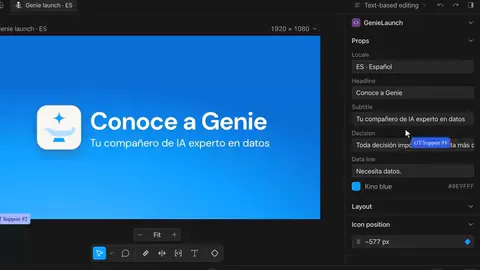
In Kino, your project is a folder of code: Claude, Codex or a script reads the whole cut, writes the change, and Kino renders it. Kino also manages all footage and review notes for easy collaboration.
Descript started 8 years ago as a great way to edit podcasts and later videos by their transcripts. Its AI agent Underlord is billed in credits on top.
Key differences
 Kino |  Descript | |
|---|---|---|
| Text-based editing | Yes | Yes |
| Footage | One library of everything you shot, on drives, a NAS or cloud folders. Originals stay where they are | What you upload, metered: 30 hours a month on Creator |
| Search | What was said, who is on screen and what is shown, across every project | The transcript, one project at a time |
| Agents | Any agent (Claude, Codex, a script) reads and writes the project as React code | Underlord, inside Descript, billed in credits |
| Cameras | BRAW, R3D and ProRes without a transcode. Multicam from any cameras, synced by sound | Multicam from Rooms and Zoom recordings only |
| Team | Several editors in one timeline, and review notes left on the frame from a link | Shared projects and review links |
| Price | Free to start | $35 a seat, plus credits |
“There were six agent chats going, and the two of us were working on different parts of the timeline. I was like, okay, this is the thing. It all happens underneath you, and you’re the creative director working with swarms of agents.”
 Donald JewkesTechnologist and filmmaker
“Shooting this was a joy because of the insane makeup we put on @bb_fresh Editing this was even more of a joy because @trykino saved us 20 hours of sifting through footage manually”
 KRAZAMYouTube channel